 Russian73%
Authentic Blini
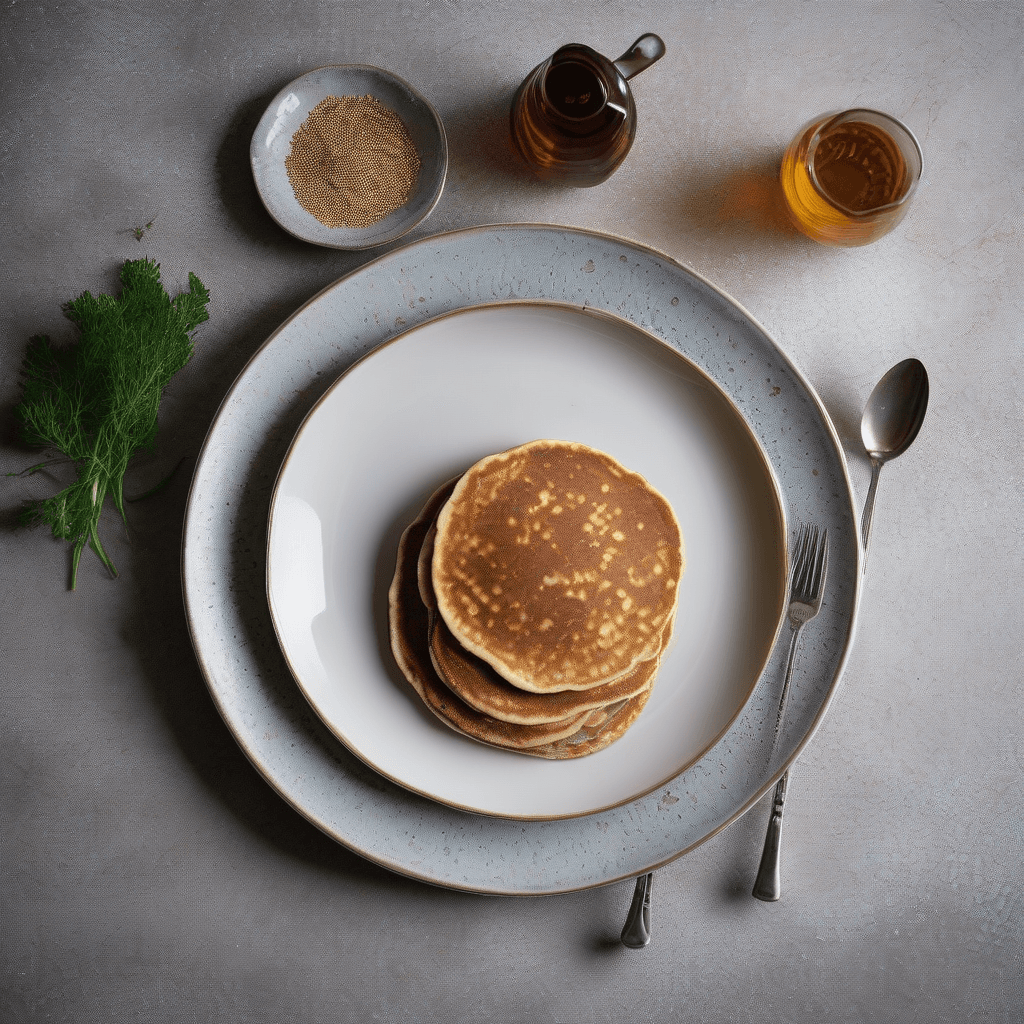
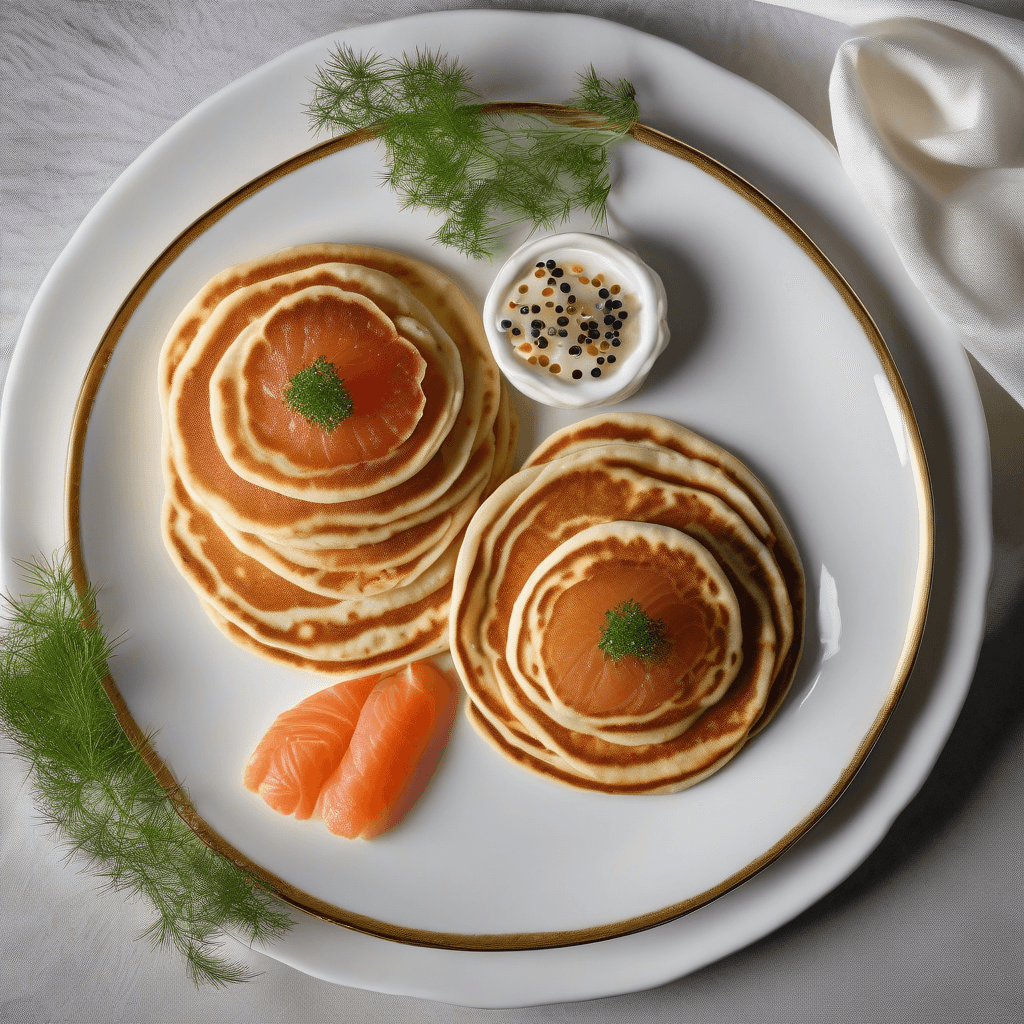
Paper-thin, yeast-leavened Russian pancakes with a distinct tang, traditionally served in stacks and rolled around smoked salmon, caviar, or jam.
1h 20m · Serves 4 · 7 ingredients · 632 cal
Thin yeasted buckwheat pancakes that pre-date Christianity in Russia, traditionally eaten during Maslenitsa (Butter Week) to symbolize the sun. A proper blin is made from a yeasted sponge fermented for at least an hour, then enriched with separated eggs and scalded with boiling milk. The result is a paper-thin, slightly sour, deeply aerated disc riddled with characteristic bubbles. They are meant to be eaten immediately, brushed with butter and loaded with smetana, smoked salmon, or red caviar.
Nudge the dish. Each click stages a micro-adjustment you can pick up at the stove.
No tweaks staged. Click a direction to add a suggestion.
We'll highlight steps to skip, parallelize, or make ahead.
Click any ingredient to explore its profile, pairings, and related recipes.
Highlighted techniques open a deep-dive. Time phrases include a built-in timer.
Make the sponge. Warm 1 cup of the milk to 110F (just warm to the touch). Dissolve the yeast and sugar in it. Add the buckwheat flour and whisk into a smooth paste. Cover with a clean towel and let in a warm place for 1 hour until the sponge is doubled, bubbly, and smells faintly sour.
Scald the remaining 1 cup of milk in a small saucepan until it just comes to a . Remove from heat and let cool for 2 minutes until it is hot but not (around 160F).
Whisk the egg yolks, salt, and melted butter into the sponge. Gradually add the all-purpose flour, alternating with the hot scalded milk, whisking until completely smooth. The scalded milk gelatinizes the starch slightly, which is what gives blini their unique, slightly glossy texture.
Beat the egg whites with a clean whisk or stand mixer until they hold stiff peaks. Gently fold the beaten whites into the batter in two additions, preserving as much air as possible. Let the final batter rest for 15 minutes .
Heat a small (6-inch) non-stick pan or crepe pan over medium-high heat. Brush lightly with melted butter. Pour in just enough batter (about 3 tablespoons) to coat the bottom in a thin, even layer, swirling the pan immediately. Bubbles should begin appearing on the surface within 30 seconds .
Cook until the surface is set and covered in burst bubbles, about 1 to 1.5 minutes . Flip carefully and cook for 30 seconds more on the second side. The first blin is traditionally discarded as a test (hence the Russian saying).
Stack the finished blini on a warm plate, brushing each one immediately with melted butter to keep them pliable. Serve warm with smetana, salmon, and red caviar.
Russian73%Paper-thin, yeast-leavened Russian pancakes with a distinct tang, traditionally served in stacks and rolled around smoked salmon, caviar, or jam.
1h 20m · Serves 4 · 7 ingredients · 632 cal
 Russian72%
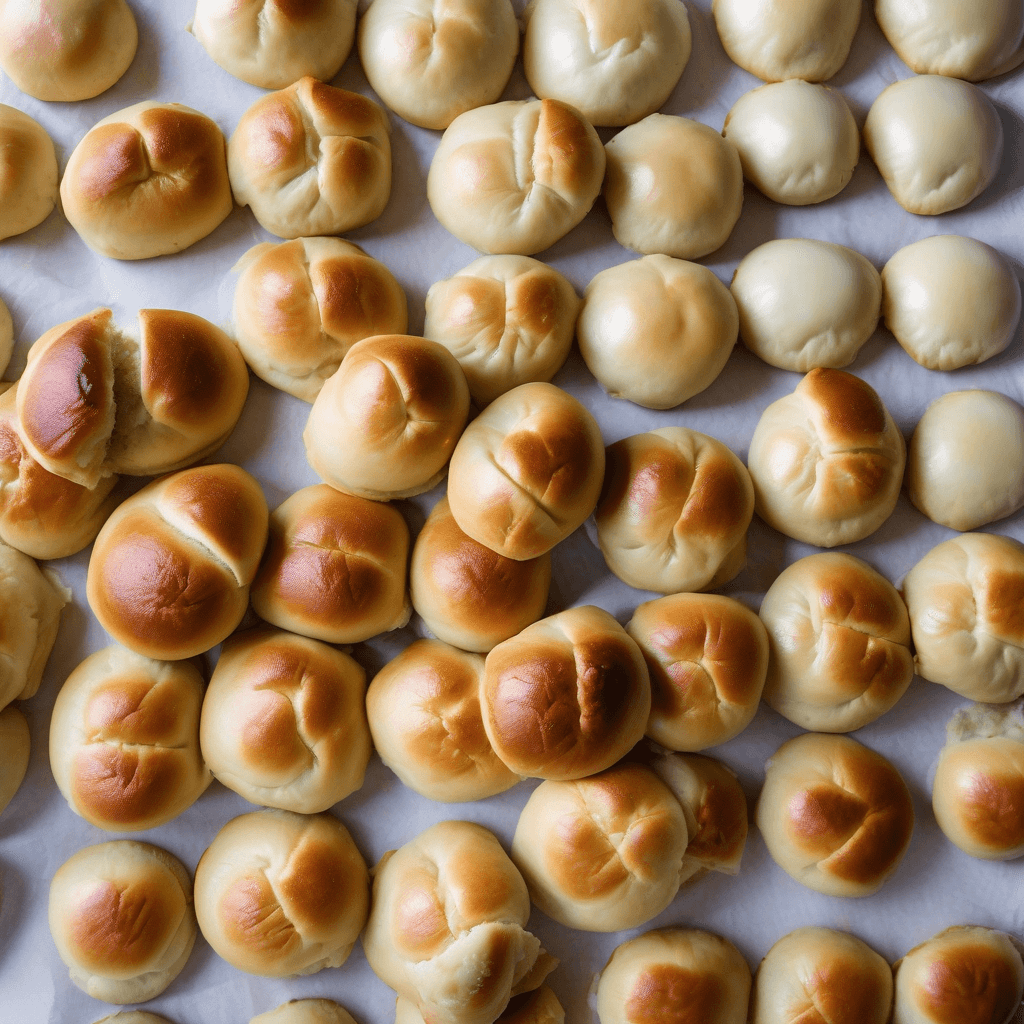
The iconic stuffed buns of Russian street food and home kitchens alike. A soft, enriched yeasted dough, slightly sweet from milk and egg, envelops a filling of seasoned ground beef and onion or braised cabbage and hard-boiled egg. They can be fried in oil for a crisp, golden shell or baked in the oven for a pillowy, bread-like exterior. Either way they are best eaten warm, brushed with butter, and consumed in multiples.
2h 30m · Serves 4 · 13 ingredients · 1044 cal
 Russian72%
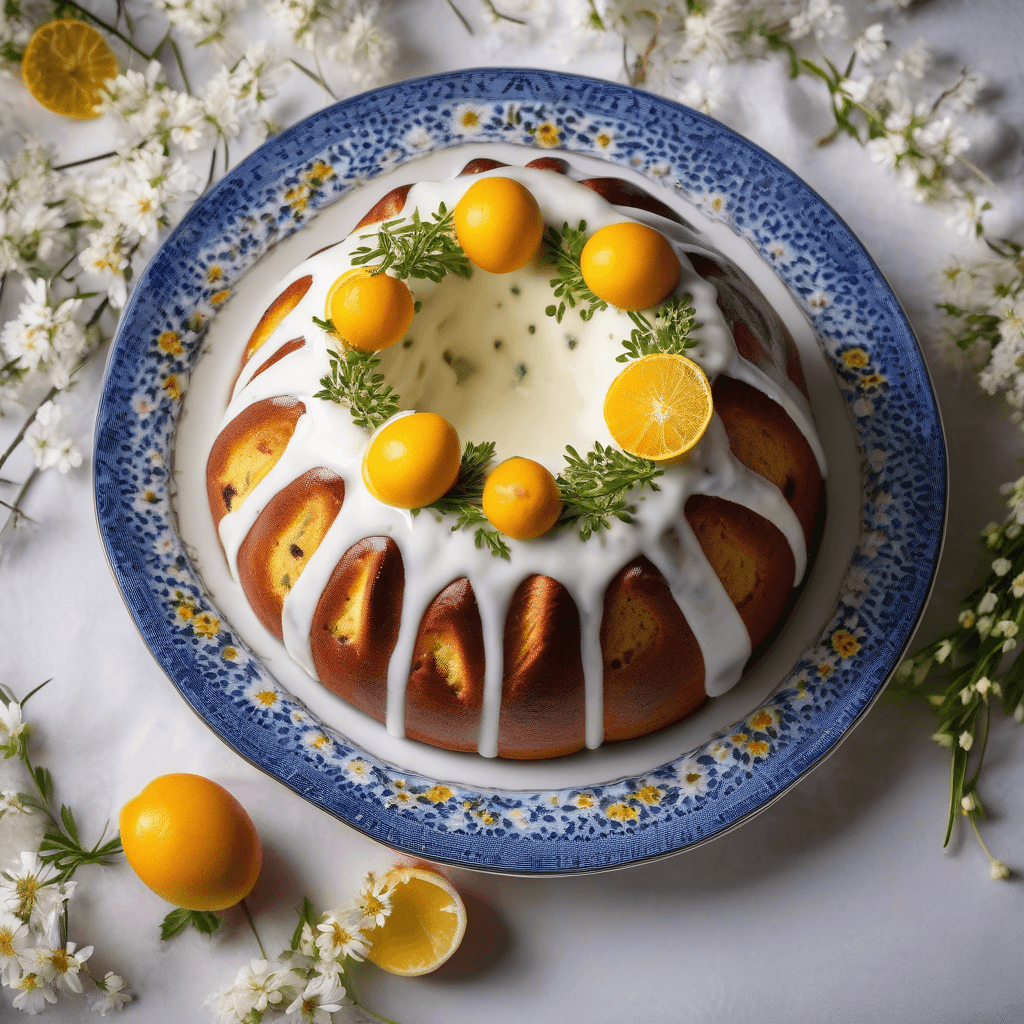
Vischanka, a traditional holiday loaf, emerges as a vibrant symbol of spring and renewal, graced with flavors of citrus and spices. This lofty, sweet bread is a testament to the joy of baking, filling homes with fragrance and celebrating the art of togetherness during festive occasions.
1h 20m · Serves 4 · 9 ingredients · 1316 cal